
Video games offer an immersive experience that can take players to different worlds, whether they prefer to go on solo adventures or compete with others. While both multiplayer and single-player games have their distinct appeal, each format comes with its own set of advantages and disadvantages. In this article, we will explore the pros and cons of multiplayer and single-player games to help you understand the unique experiences they offer.
Multiplayer Games: Pros and Cons
Pros:
- Social Interaction: One of the primary advantages of multiplayer games is the opportunity for social interaction. Players can team up with friends or compete against others globally, enhancing the sense of community and camaraderie.
- Teamwork and Strategy: Multiplayer games often require coordination, teamwork, and strategic thinking. Games like Overwatch or Fortnite demand collaboration between players to achieve a common goal, which can create an exciting and dynamic gaming experience.
- Competitive Play: For those who thrive in a competitive environment, multiplayer games provide the perfect arena. Whether you’re climbing leaderboards in League of Legends or battling for supremacy in Call of Duty, the thrill of competition can be a major motivator.
- Regular Updates and Events: Multiplayer games often have regular updates, in-game events, and seasonal content, keeping the gaming experience fresh and engaging. Developers frequently add new content, challenges, and rewards to keep players coming back.
Cons:
- Dependence on Internet Connection: Multiplayer games require a stable internet connection, which can be problematic for those with limited or unreliable internet access. Lag and server issues can negatively impact gameplay, leading to frustration.
- Toxic Community: Unfortunately, multiplayer games can sometimes attract toxic players. The competitive nature of many games can lead to harassment, trolling, or unsportsmanlike behavior, which can detract from the overall experience.
- Time Commitment: Multiplayer games often require a significant time investment, especially in team-based or competitive settings. Coordinating with others or leveling up can take hours, which might not appeal to those looking for a more casual experience.
Single-Player Games: Pros and Cons
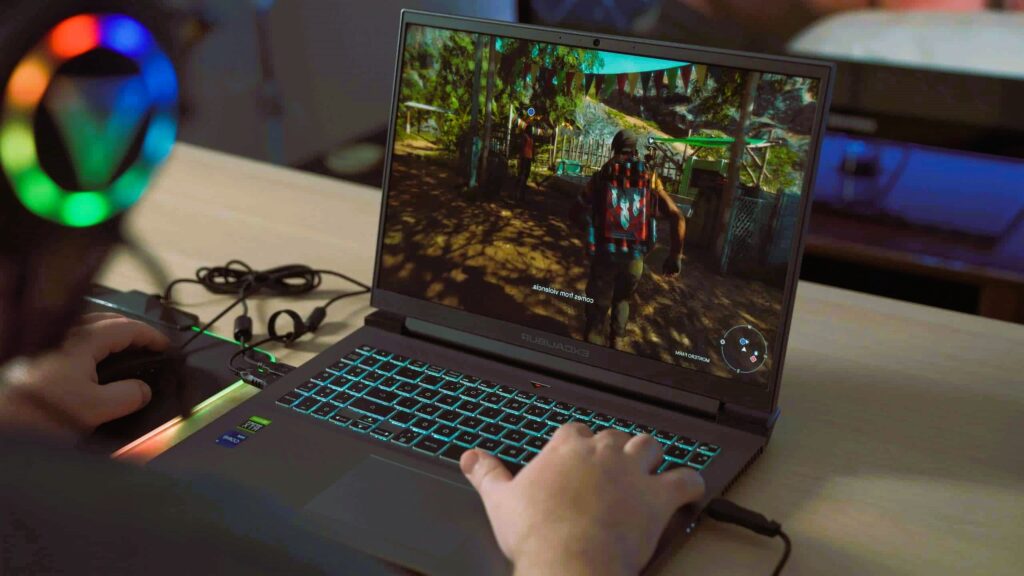
Pros:
- Immersive Storytelling: Single-player games often provide rich narratives and character-driven experiences. Games like The Last of Us and Red Dead Redemption 2 deliver deep stories that captivate players, allowing them to fully immerse themselves in the game’s world.
- No Dependency on Others: In single-player games, you don’t have to rely on others to progress. You can play at your own pace, explore the game world, and make choices without the pressure of coordinating with teammates or opponents.
- Personalized Experience: Many single-player games offer customizable settings and open-world exploration, allowing players to tailor the game to their preferences. This can make the experience feel more personal and rewarding.
- Complete Control: Players have full control over their actions in single-player games, whether it’s solving puzzles, fighting enemies, or making story-altering decisions. The entire game is at their disposal, allowing for a more focused and individualistic experience. Read our article to find out how to choose the perfect cosplay for your favorite game.
Cons:
- Lack of Social Interaction: One of the drawbacks of single-player games is the absence of social interaction. If you’re someone who enjoys engaging with others, single-player games may feel isolating or less exciting in comparison to the multiplayer experience.
- Limited Replayability: While many single-player games offer multiple endings or side quests, they generally have less replayability than multiplayer games. Once you’ve completed the story, there may be limited incentive to return, especially if there are no online events or competitive modes to keep you engaged.
- Predictable AI: Single-player games often rely on AI to fill the roles of enemies or allies. However, AI can sometimes feel predictable and less dynamic than human opponents, leading to a less challenging experience over time.
Whether you prefer the social experience of multiplayer games or the immersive storytelling of single-player titles, both formats offer unique benefits and challenges. Multiplayer games shine in terms of social interaction, competition, and dynamic gameplay, while single-player games excel in delivering rich narratives and a more personal experience. Ultimately, the choice between multiplayer and single-player games depends on your personal preferences, gaming goals, and the kind of experience you’re seeking.
For more information on different types of video games, visit Wikipedia’s Video Game Article.
